

BIOMASSE
Energia da biomasse: come funziona?
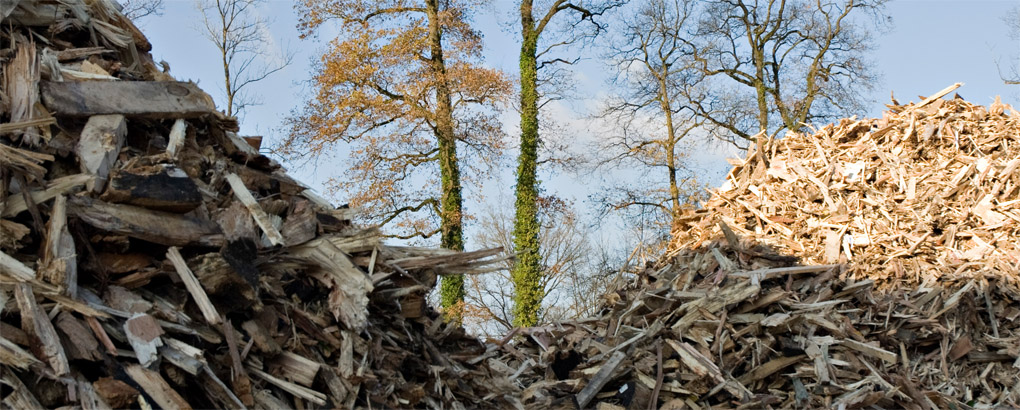
Le energie delle biomasse sono energie rinnovabili e ad emissioni zero che riutilizzano prodotti organici di scarto, eliminando il problema del loro stoccaggio o della loro distruzione negli inceneritori. Il processo di conversione in energia è tanto semplice, quanto ingegnoso. Attraverso la fotosintesi, l’energia del sole è trasferita e immagazzinata nelle piante sotto forma di energia chimica. Gli animali, cibandosi di piante, assorbono a loro volta il prodotto della fotosintesi. Gli impianti a biomassa bruciano il legno e gli altri prodotti di scarto per produrre vapore. Il vapore, una volta incanalato nelle tubature, fa funzionare le turbine che, a loro volta, producono energia elettrica da utilizzare in impianti domestici o industriali.
Produzione energia elettrica da biomasse: come funziona una centrale a biomasse?
Le centrali a biomasse producono energia elettrica per mezzo del vapore generato dalla combustione degli scarti agricoli, industriali e urbani. I materiali vengono bruciati in una camera di combustione, producendo il calore necessario a trasformare in vapore l’acqua del circuito termodinamico. Il vapore fa ruotare una turbina che, a sua volta, aziona il rotore di un alternatore che produce corrente elettrica alternata. Quest’ultima viene inviata ad un trasformatore che la eleva di tensione prima che venga immessa nel sistema. Il vapore acqueo all’uscita della turbina si trasforma in acqua grazie ad un condensatore per, infine, essere inviato al serbatoio di deposito.